Commercial Waste in Shadwell for straightforward business waste removal

Commercial waste in Shadwell needs a practical, organised approach when workplaces, shops, hospitality venues and shared premises produce regular rubbish that cannot simply be left in domestic collections. Our commercial waste removal service is set up to help businesses manage everyday disposal, bulky clearances and routine load-outs in a way that keeps work areas usable and waste streams separated where needed. We handle a broad mix of non-hazardous commercial materials, always with a focus on sensible handling, clear communication and collection that fits the type of premises involved.
For many businesses, the first need is not complexity but consistency. Waste builds up because stock changes, packaging arrives daily, fittings are replaced, offices refresh equipment and customer-facing spaces generate a steady flow of discarded items. Our service is designed around that reality. If you need business waste removal for one-off overflows or a fuller clearance of stored materials, you can use this page to understand the main options and decide what sort of quotation request is appropriate.
We keep the service centred on usable outcomes: clear floors, safer storage areas and a simpler route for getting rubbish off-site without disrupting the working day. Where a site has different waste types, it helps to identify them in advance so the collection can be planned sensibly. If you are reviewing disposal arrangements now, you can request a quotation once you have a clear idea of the amount, access and the kind of waste involved.
Business waste removal for day-to-day commercial premises
Business waste removal covers the everyday materials that accumulate in offices, small retail spaces, trade counters, studios and other active premises. That can include packaging, broken office items, outdated stock, paper-based waste, non-confidential mixed rubbish and general items that no longer have a place in the work environment. The right collection method depends on volume, lifting access, and whether the waste needs to be separated from reusable or sensitive items before removal. A well-organised collection avoids the stop-start problem of letting bags, boxes and loose materials build up until they get in the way.
Where a workplace needs to clear a room, a storeroom or an awkward back area, our approach is to make the disposal process direct rather than disruptive. Business waste removal can suit regular commercial loads, while a broader waste removal service may be useful if you are dealing with a varied mix of items rather than a single stream. For customers comparing options, the main questions are usually what needs taking away, how much space it occupies and how easily it can be reached from the building.
When preparing an enquiry, it is helpful to think in practical terms rather than trying to classify everything perfectly. A simple list of the main waste categories is often enough, especially if some items are bulky, fragile or awkward to move. Two details matter most: the approximate quantity and the access route. Those points help us judge the right collection plan and give a quotation that matches the work required.
Office waste, confidential paper and workplace clearances

Office clearances often involve more than one kind of waste. Desks, chairs, filing cabinets, IT peripherals, boxed stationery, archived paperwork and general rubbish may all appear together, especially when a workplace is reorganising or vacating part of a building. Office waste removal needs careful sorting because some items can be moved as straightforward furniture or mixed office rubbish, while others may need separate handling, particularly where documents contain private information or equipment should be kept distinct from ordinary waste.
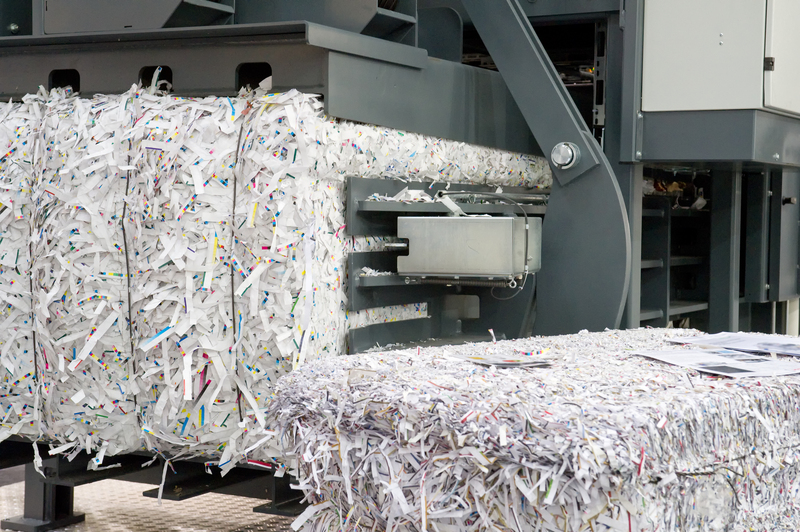
If confidential paperwork is part of the job, the service has to be planned around secure handling rather than loose disposal. We provide a confidential shredding option for documents that should not be mixed with general rubbish, while an office clearance may suit a wider project involving furniture, fittings and accumulated workplace contents. For many customers, the key decision is whether the requirement is a focused shred-and-remove task or a more complete emptying of rooms and storage areas.
Office clearances are usually easier when the items to stay, the items to move and any access limits are identified in advance. That might mean reserved equipment, archived files, lift restrictions or narrow stair access. Clear instructions help reduce handling time and make it simpler to separate what can go as part of the clearance from what needs to remain on site. For businesses wanting a tidier workplace without unnecessary disruption, this planning step is often the difference between a smooth collection and a complicated one.
Furniture and bulky item disposal for commercial spaces
Furniture disposal for commercial premises usually involves one or more heavy or awkward items that are no longer fit for the space they occupy. Desks, reception seating, office chairs, cabinets, shelving, tables and similar fittings can take up a surprising amount of room even when only a few pieces are involved. The service is useful where a business is changing layout, replacing worn items or clearing an area before refurbishment. In many cases, the challenge is not the number of pieces alone, but how to remove them without blocking corridors, damaging finishes or interrupting people still working nearby.
For mixed items, it is often helpful to distinguish between objects that should be reused, recycled or disposed of as waste. A furniture clearance may suit a fuller removal of multiple pieces, while furniture disposal can be the better choice when the main need is to remove specific items with no extra clearing work. We also handle the practical side of collection where items are stored upstairs, in back rooms or in spaces where access is tighter than usual.
Useful detail for a quotation: note whether the items are assembled, flat-packed, or already dismantled, because that changes the work involved. It also helps to mention if there are lifts, loading restrictions or timed access windows. These are ordinary logistics rather than special requirements, but they affect the plan. A concise description makes it easier to match the collection to the actual job instead of relying on guesswork.
Furniture, appliance and specialist item removal
Some commercial collections include items that are heavier, more awkward or more specialised than everyday office furniture. Fridges, small appliances, worn mattresses in staff accommodation, sofas from reception areas and similar bulky pieces may all need removal as part of a site clean-out or change of use. These items usually require more care when moving because of their size, shape, weight or internal components, and it is sensible to separate them from light mixed waste at the planning stage.
Where appliance disposal is the main task, we can deal with household-style equipment used in commercial settings, and a fridge and appliance removal page may be relevant for those items. For soft furnishings and larger upholstered pieces, mattress and sofa disposal covers the specific sort of bulky waste that can otherwise dominate a room. If the pieces are only part of a wider clear-out, they can be included within a broader collection rather than arranged separately.
In practice, the most efficient approach is to identify special items early so they can be scheduled alongside any other waste from the same premises. That keeps the service focused and reduces the risk of leaving behind the objects that take the most effort to move. It also helps when there is a narrow exit route, because the handling plan can take account of size and weight before anyone arrives to begin loading.
Clearances for storage areas, garages and loft spaces

Commercial premises often accumulate overflow items in areas that are not used for day-to-day trading. Garages, lofts, back stores and other tucked-away spaces can become long-term holding points for packaging, old furniture, unused fixtures, archived material and discarded equipment. A clearance of these areas is usually less about one category of waste and more about removing whatever has been left to build up over time. The work can be valuable when a business wants to reclaim storage capacity or make a hidden area usable again.
Depending on the layout, a targeted garage clearance may be the best fit for a ground-floor storage area, while a loft clearance suits elevated spaces with tighter access and more careful handling needs. A home clearance or house clearance page may be relevant only where the premises also function as domestic property, but for ordinary business use the cleaner commercial choice is usually a storage-oriented clearance or waste removal plan. The important thing is matching the service to the space, not forcing a generic label onto it.
For these clearances, access information matters as much as the list of contents. Narrow stairs, low ceilings, parking limits and distant loading points can all affect how the work is organised. If the space contains a mixture of boxes, loose rubbish and bulky items, it is often worth pointing out which pieces are especially heavy or awkward. That allows the quotation to reflect the genuine labour involved rather than treating every item as identical.
Builders waste and refurbishment debris from commercial works
When a business is being altered, refreshed or repaired, the waste produced is often different from everyday rubbish. Offcuts, broken fixtures, packaging from new materials, old fittings and general debris from light building work may need prompt collection so the site can stay orderly. Builders waste clearance is useful after internal changes, layout updates or smaller refurbishment jobs where a skip is not the most practical choice, especially if the waste needs moving from inside the building rather than simply loaded at the kerb.
For this kind of job, we work with the material that remains after the activity itself has finished. A builders waste clearance page suits customers who need a dedicated route for renovation waste, while waste removal remains the wider option when the job includes several waste types together. If the project also produces old office furnishings, damaged display units or packaging from new stock, those can be assessed alongside the building debris so the collection covers the actual end result rather than one isolated pile.
The value of a planned clearance is that it gives the site a sensible finish. Materials can be removed before they become an obstruction, and the remaining space can be handed back to normal use more quickly. When asking for a quote, it helps to say whether the debris is already bagged, still mixed with useful items or spread across more than one room. That sort of detail makes the quotation more accurate and the collection easier to organise.
How quotations are shaped for commercial waste jobs
Commercial waste quotations are usually shaped by the type of waste, the amount to be removed, the number of items involved and the practical difficulty of collecting them. A small pile of office rubbish at the loading door is very different from a mixed clearance spread across several rooms or levels. The more clearly the job can be described, the easier it is to match the service to the waste itself. This is especially useful where a premises has a combination of recyclable items, bulky furniture and ordinary rubbish that all need to go in one visit.
Before you ask for a quotation, it is useful to have a rough inventory, a sense of access, and any timing limits that apply to the building. If you know whether the waste is mainly paper, furniture, appliances, packaging or mixed general rubbish, mention that too. Pricing and quotes information can be helpful when you want to understand how the work is assessed, while book online may suit customers who already have enough detail to proceed. The aim is not perfect paperwork, only enough clarity to describe the job properly.
We can then discuss the most suitable removal route, whether that means a straightforward collection, a targeted clearance or a combination of services. If the waste contains items that need special handling, they should be identified from the start so they are not treated as standard mixed rubbish. That keeps the process honest and avoids surprises for either side when the quotation is prepared.
Recycling, responsible handling and waste types
Not every commercial item should be treated in the same way once it leaves the premises. Some waste is suitable for recycling, some is best handled as general mixed rubbish and some needs separate treatment because of the material it contains or the way it was used. A sensible commercial removal service recognises these differences rather than assuming that everything fits a single category. That is why it helps to separate office paper, furniture, appliances and mixed waste wherever possible before collection begins.
Recycling and sustainability information can be useful if you want to understand how reusable or recyclable materials may be considered within the service. In some cases, the relevant page is the specific disposal route, such as hazardous waste disposal, but that should only be used for materials that genuinely require specialist treatment. For ordinary business rubbish, the goal is not to overcomplicate the process; it is to keep the waste moving towards the correct route with as little confusion as possible.
The main decision for customers is whether items can be grouped into one collection or whether separate streams are sensible. Mixed waste can often be removed together when it is safe and practical to do so. However, if documents, appliances or restricted materials are involved, a more careful breakdown may be the better option. Clear information at the start helps keep the collection orderly and makes the disposal approach more transparent.
About Shadwell

Shadwell is an East London district in the London Borough of Tower Hamlets, positioned between Whitechapel and Wapping and closely associated with the River Thames and the Limehouse Basin area. Its history is shaped by the river, maritime trade and successive waves of change in dockland London, with older streets and later redevelopment sitting alongside each other. The name is long established and appears in records connected with the medieval parish, while the area later became tied to port activity, warehousing and the working life of the Thames corridor. Parts of the modern district reflect those layers clearly, especially where narrow streets and former industrial plots meet newer residential buildings.
Shadwell DLR station gives the area a direct transport link, and the East London Line helps connect it into wider London travel patterns. Nearby routes and waterside spaces reinforce its position as part of the city’s eastern edge, where land use has altered over time from docks and backland industry to housing, local services and mixed urban activity. Stepney and Whitechapel are close by, but Shadwell retains a distinct identity through its own street pattern and its relationship to the river. The local environment includes both busy transport corridors and quieter residential pockets, with architecture ranging from later twentieth-century development to remnants of older urban form. The area’s character is best understood as layered rather than uniform, shaped by movement, redevelopment and the continuing presence of historic east London streets.
For readers who know east London well, Shadwell sits at an interesting point between the commercial riverfront and the denser inland neighbourhoods of Tower Hamlets. That location has influenced the district’s look and rhythm for generations, with transport, trade and housing all leaving visible marks. Even today, the balance of old and new is one of its most recognisable features, whether seen in the scale of the streets, the presence of waterside infrastructure or the way the area links into neighbouring parts of the borough.
Additional support for mixed commercial clear-outs

Some jobs do not fit neatly into one heading. A premises might need furniture removal, office waste clearance, and the handling of a few specialist items at the same time. In those cases, the best approach is to describe the whole job as a mixed commercial clearance and then note the main categories inside it. That gives enough structure to plan the work without pretending that every item is the same. It also helps when a site is being emptied in stages rather than all at once.
Where the collection involves a mixture of domestic-style and business-related waste, our service can still remain practical as long as the contents are described clearly. For example, a small office above a shop may produce archive material, broken seating, packaging and miscellaneous rubbish together. A storage room might contain old displays, damaged shelving and general waste from stock changes. In situations like these, a simple and honest description of the contents is usually more useful than trying to split the job into too many separate parts.
To move forward, please send the essential details of the waste and the access conditions, then request a quotation in the way that suits you best. If your job is straightforward, a short message may be enough; if it is more involved, a fuller description will help us shape the collection properly. The aim is a clear, workable plan for removing the waste and leaving the space ready for its next use.